Craft Within Reach: A Practical Guide to Owning Handmade Pieces Without Paying Full Retail
The assumption that handcrafted goods belong exclusively to buyers with unconstrained budgets is one worth examining — and, in most cases, setting aside. The qualities that define a well-made object: its durability, its capacity to age with dignity, its resistance to the obsolescence that plagues mass-produced alternatives — are precisely the qualities that open alternative paths to ownership. A piece built to last a century does not lose its value when it changes hands. It simply begins a new chapter.
For buyers who care about craftsmanship but must be deliberate about what they spend, the market offers more entry points than are immediately obvious. What follows is a practical orientation to those paths.
The Secondary Market for Handcrafted Goods
The resale ecosystem for quality handmade objects has grown considerably more navigable in recent years. Estate sales — both physical and online — remain one of the most reliable sources for handcrafted furniture, tools, ceramics, and metalwork from American makers whose reputations were established in earlier decades. Platforms such as Chairish, 1stDibs, and Ruby Lane aggregate dealer inventory that skews heavily toward handcrafted and artisan-produced goods, with search filters that allow buyers to narrow by material, origin, and period.
For buyers willing to invest time in research, local estate sale companies often preview inventory online before events, allowing for targeted visits rather than speculative browsing. Auction houses — including regional houses that operate outside the major coastal markets — regularly process collections that include handcrafted objects at prices well below what comparable new work would command.
The critical skill in secondary market buying is provenance assessment. Before purchasing a piece represented as handmade, examine it closely. Look for the irregularities that distinguish hand work from machine production: slight variations in joinery, tool marks that follow the logic of a hand rather than a programmed path, finish inconsistencies that speak to application by brush or cloth rather than spray line. A piece that carries these qualities honestly is worth the investment of a careful look.
Commissioning on a Structured Timeline
Many independent makers — particularly those working outside the premium gallery system — are willing to discuss payment structures for commissioned work. This is not a universal practice, and it is not one to assume without a direct conversation, but it is more common than buyers typically expect.
The logic from the maker's perspective is straightforward. A deposit secures materials and schedules the work. Progress payments, structured around production milestones, reduce the financial risk that a small workshop carries when committing to a significant project. For the buyer, the arrangement converts a single large expenditure into a series of smaller ones spread across the production timeline — which, for handcrafted work, may span several months.
When approaching a maker about a commission, arrive with clarity about your requirements, your timeline, and your budget ceiling. A craftsperson's time is the resource being allocated; a well-prepared conversation respects that and makes a productive negotiation more likely. Be direct about your budget constraints. Makers who are willing to work within them will say so. Those who are not will tell you that as well, and both answers are useful.
It is also worth asking whether a maker maintains a waiting list for production runs of existing designs. Joining a list for a piece already in the maker's repertoire often carries lower pricing than bespoke commissioned work, since the design development cost has already been absorbed.
Restoration as an Entry Point
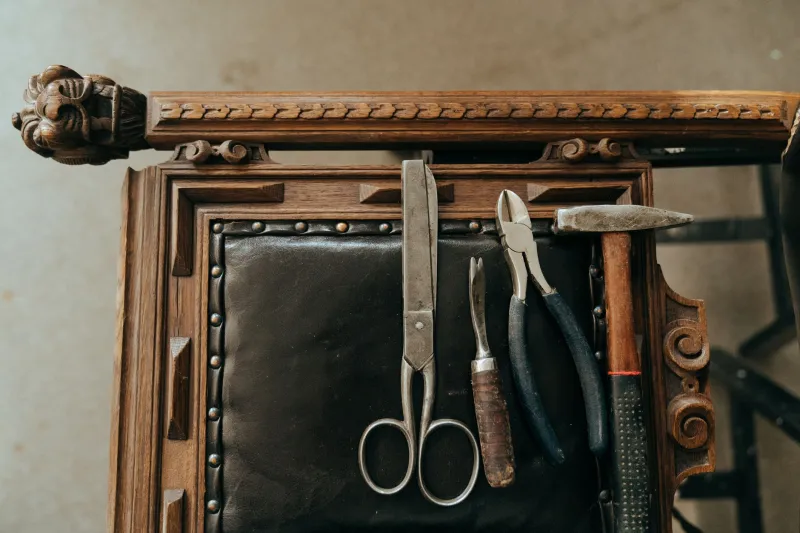
A handcrafted piece in need of restoration is almost always preferable to a new mass-produced alternative — and it is frequently available at a price that reflects its condition rather than its inherent quality. The ability to recognize a restorable piece, and to connect it with a skilled conservator or craftsperson who can return it to service, is one of the most valuable skills a craft-literate buyer can develop.
Furniture restoration services operate in most mid-sized American cities, and many independent craftspeople take on restoration work alongside their primary production. The cost of professional restoration on a quality piece is typically a fraction of what a comparable new piece would cost, and the result — a restored object that carries its history — has a character that new production cannot replicate.
For those comfortable with hands-on work, some restorations are within reach of the careful non-professional. Cleaning, light refinishing, hardware replacement, and basic structural repairs on solid wood furniture have been accomplished successfully by dedicated amateurs working from good reference materials. The threshold between what is approachable and what requires professional intervention is real, however; structural failures in joinery, significant veneer work, and any restoration involving irreplaceable original material should be entrusted to someone with the requisite skill.
Building a Collection Incrementally
Ownership of handcrafted goods need not be approached as a single transaction or a complete furnishing decision. The most enduring collections are typically assembled over years, with each acquisition made deliberately and cared for seriously.
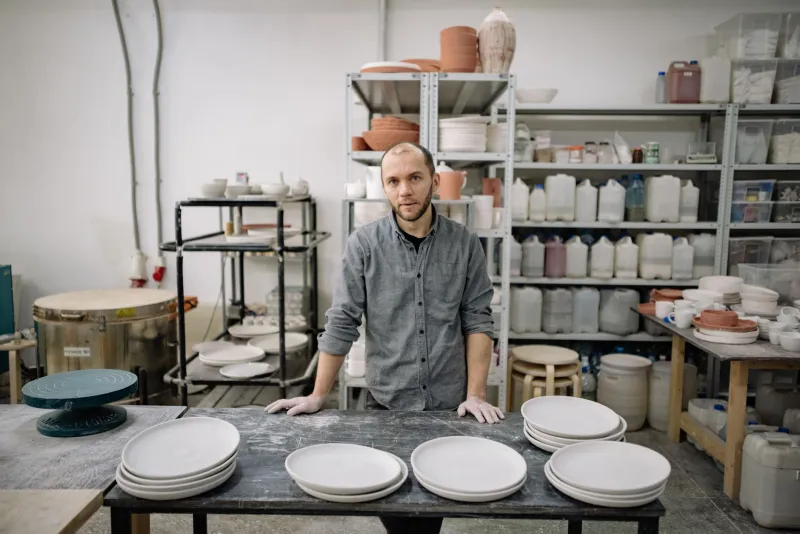
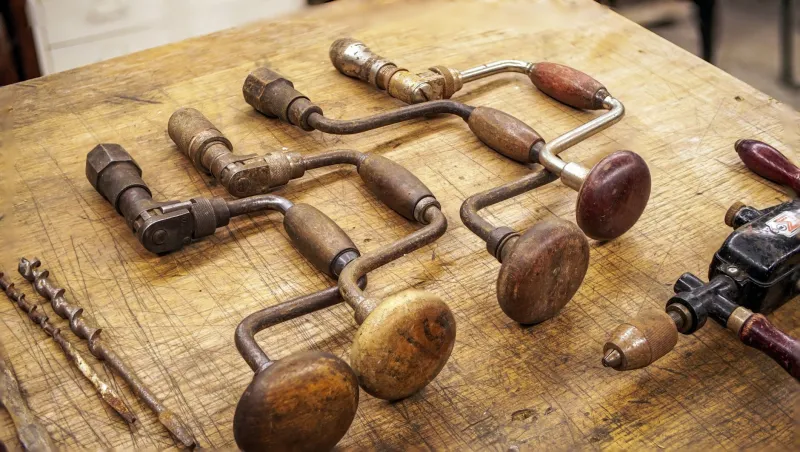
Begin with categories where the secondary market is deep and well-established: American studio pottery, handcrafted woodworking tools, cast iron cookware from domestic foundries, and hand-stitched leather goods all circulate in active resale markets at accessible price points. These categories offer genuine craft quality at prices that allow a buyer to begin developing the eye and the habits that serve more significant acquisitions later.
As your familiarity with craft quality grows, so does your ability to identify value in the market — to recognize a piece that is underpriced because the seller does not understand what they have, or to assess a restoration project accurately enough to know whether the investment is justified.
The relationship between a buyer and handcrafted goods is, at its best, a long one. It does not require beginning at the most expensive point on the spectrum. It requires beginning with attention, and letting that attention compound.