Voitheia Forged Shaped by Hand. Built to Endure.

Voitheia Forged

Shaped by Hand. Built to Endure.

Latest Articles

More Than a Name Above the Door: The True Price of Passing a Craft Business to the Next Generation
Craft Culture

More Than a Name Above the Door: The True Price of Passing a Craft Business to the Next Generation

Handing a craft business to the next generation involves far more than legal documents and financial arrangements. The transfer of reputation, customer trust, and unspoken standards carries a weight that no balance sheet can fully capture. Understanding what separates a successful succession from a slow unraveling may be the most important lesson a founder ever learns.

When the Teacher Cannot Be Wrong: The Hidden Barrier Inside Every Master-Apprentice Relationship
Craft Culture

When the Teacher Cannot Be Wrong: The Hidden Barrier Inside Every Master-Apprentice Relationship

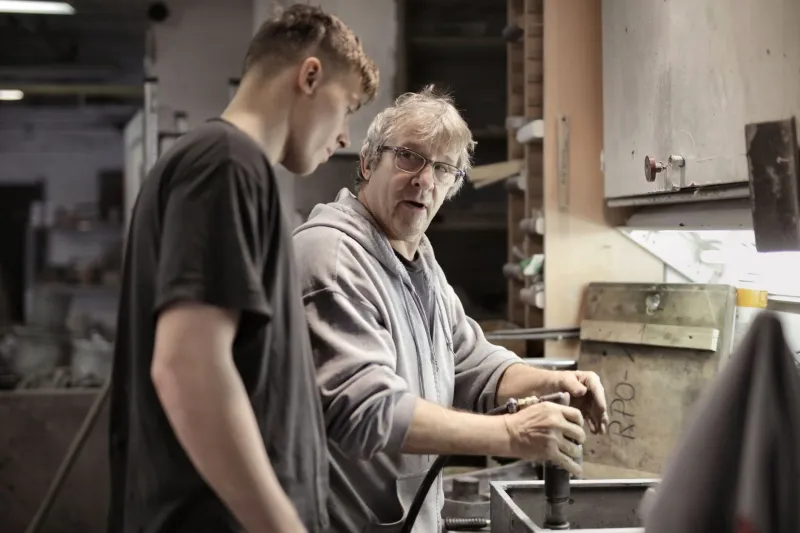
The finest craftspeople in America have spent decades learning to be right—and that very mastery can make them dangerous teachers. Understanding why mentorship so often falters requires looking not at technique, but at the emotional architecture that surrounds it.

Received, Not Earned: The Weight of Inheriting Someone Else's Craft
Consumer Insight

Received, Not Earned: The Weight of Inheriting Someone Else's Craft

When a handcrafted object passes from a maker's hands into those of an inheritor, it carries more than sentimental value — it carries intention, discipline, and a life's worth of accumulated skill. For many Americans who receive such pieces, the question is not simply what to do with them, but how to honor what they represent without becoming a curator of someone else's identity.

The Moment of Silence: How Skilled Makers Recognize When a Piece Has Said Everything It Needs To
Craft Culture

The Moment of Silence: How Skilled Makers Recognize When a Piece Has Said Everything It Needs To

There is no alarm, no printed checklist, no timestamp that tells a seasoned craftsperson their work is complete. Instead, something quieter and far more authoritative speaks — a convergence of accumulated knowledge, material intuition, and an almost wordless understanding between maker and object. What that moment reveals about handcraft is worth examining carefully.

The Quiet Commitment: Why Some Young Makers Are Choosing Depth Over Digital Fame
Craft Culture

The Quiet Commitment: Why Some Young Makers Are Choosing Depth Over Digital Fame

A growing number of apprentice craftspeople are making a counterintuitive choice: stepping back from social media to invest fully in the slow, unglamorous work of mastering a trade. Their decision challenges the dominant logic of visibility-as-value and raises a question worth sitting with — does genuine skill still speak for itself in a world that rewards the loudest voice in the room?

Unlearning Speed: The Hidden Cost of Entering a Craft Trade in the Age of Instant Everything
Craft Culture

Unlearning Speed: The Hidden Cost of Entering a Craft Trade in the Age of Instant Everything

Young people drawn to traditional crafts today arrive carrying a set of expectations shaped by a world that rewards speed, visibility, and immediate return. The workshop asks something entirely different of them. Understanding that gap — and bridging it — may be the defining challenge of passing the craft forward.

When the Piece Falls Short: How Artisans Reckon With Their Own Failures
Craft Culture

When the Piece Falls Short: How Artisans Reckon With Their Own Failures

Every craftsperson who has spent serious time at the bench knows the particular weight of a failed piece—the moment when effort, material, and intention fail to converge. How master artisans respond to that failure reveals something essential about the philosophy of handcrafted work that no production line will ever replicate.

Surface as Story: How Oxidation Becomes a Craftsperson's Most Honest Signature
Craft Culture

Surface as Story: How Oxidation Becomes a Craftsperson's Most Honest Signature

On a forged metal object, the surface is never merely decorative — it is a record. Patina accumulates as a chronicle of the maker's process and the owner's relationship with the piece, and discerning customers are beginning to understand the profound difference between a surface that has aged with integrity and one that has simply been neglected.

Worn Into Partnership: The Lifelong Bond Between Craftspeople and Their Tools
Craft Culture

Worn Into Partnership: The Lifelong Bond Between Craftspeople and Their Tools

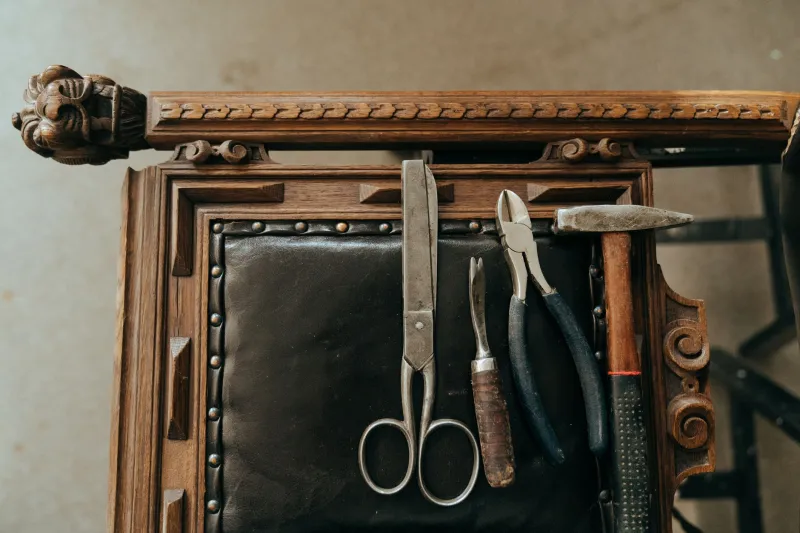
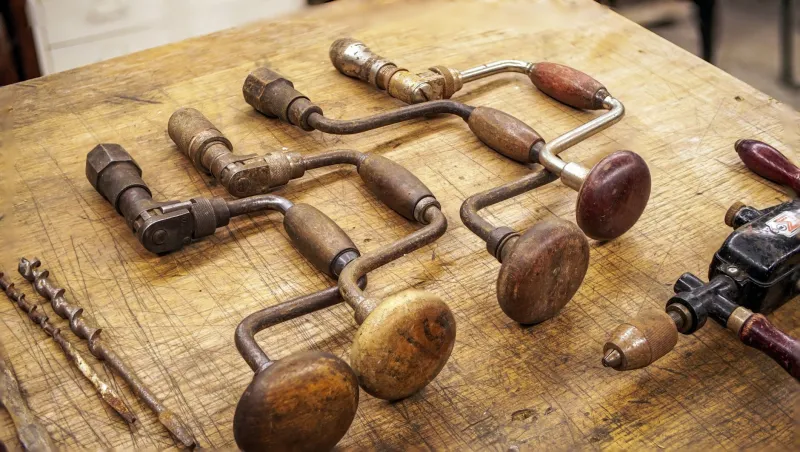
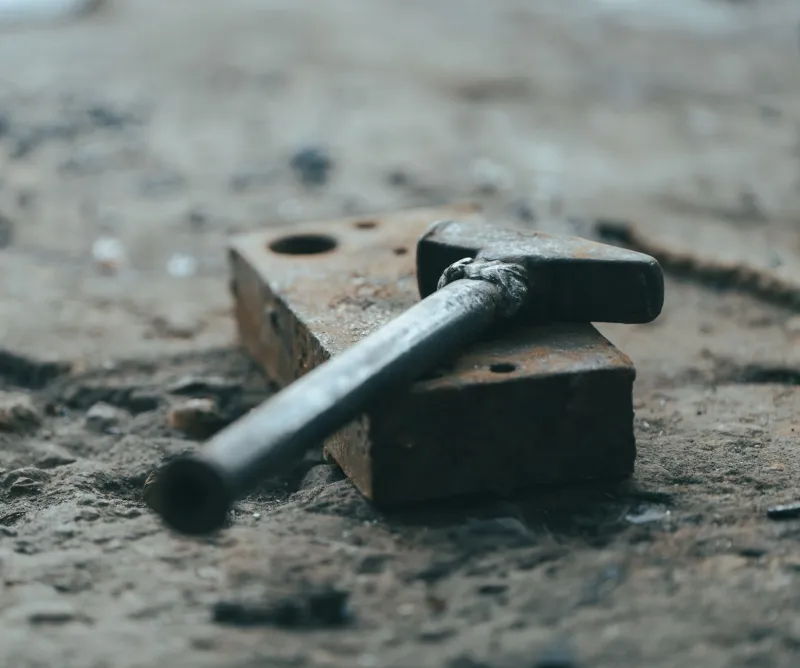
A seasoned craftsperson rarely speaks of tools in purely functional terms. The hammer that has shaped thousands of pieces, the chisel whose handle has absorbed decades of grip—these objects become something closer to collaborators than instruments. This article explores the science, sentiment, and profound meaning behind the artisan's refusal to let go.

The Necessary Quiet: How Solitude Shapes the Craftsperson's Highest Work
Craft Culture

The Necessary Quiet: How Solitude Shapes the Craftsperson's Highest Work

In an era of perpetual notification and ambient noise, the serious maker faces a threat that no dull blade or inferior material can match: the erosion of sustained, uninterrupted attention. Solitude is not a luxury for the craftsperson—it is the very medium through which mastery is refined. This piece examines why protecting silence in the workshop is among the most consequential professional decisions a maker can make.

When Knowing Too Much Gets in the Way: The Hidden Struggle of the Master Craftsperson as Teacher
Craft Culture

When Knowing Too Much Gets in the Way: The Hidden Struggle of the Master Craftsperson as Teacher

Decades of muscle memory and intuitive skill can quietly become the greatest obstacle to passing that knowledge on. The very depth of a master craftsperson's expertise often makes it harder, not easier, to explain the reasoning behind each deliberate motion. Voitheia Forged examines the paradox at the heart of craft transmission—and what it demands of those willing to teach.

Before the Mastery Comes the Monotony: Why So Many Young Makers Quit Too Soon
Craft Culture

Before the Mastery Comes the Monotony: Why So Many Young Makers Quit Too Soon

The path from curious beginner to genuine craftsperson has always demanded patience, repetition, and a willingness to be uncomfortable for years before competence arrives. Yet a growing number of young Americans are abandoning that path precisely when the work becomes most formative, raising urgent questions about what our culture has come to expect from learning itself.

The Broken Chain: How America Lost Its Path From Novice to Master
Craft Culture

The Broken Chain: How America Lost Its Path From Novice to Master

The traditional apprenticeship once offered young Americans a structured passage into lifelong craft mastery—a journey measured in years, not semesters. Today, that passage is narrowing. Economic pressures, abbreviated training timelines, and the quiet disappearance of true mentorship are severing the chain that once connected one generation of makers to the next.

Mend, Don't Discard: The Case for Restoring What Was Built to Last
Craft Culture

Mend, Don't Discard: The Case for Restoring What Was Built to Last

As repair culture gains momentum across the United States, handcrafted goods occupy a singular position in the conversation — not merely as objects worth fixing, but as works designed from the outset to be restored. The economics and ethics of repair challenge everything the disposability economy has normalized, and the craftspeople who build to last are leading the charge.

The Measured Blow: How Cadence and Deliberate Pause Transform the Act of Making
Craft Culture

The Measured Blow: How Cadence and Deliberate Pause Transform the Act of Making

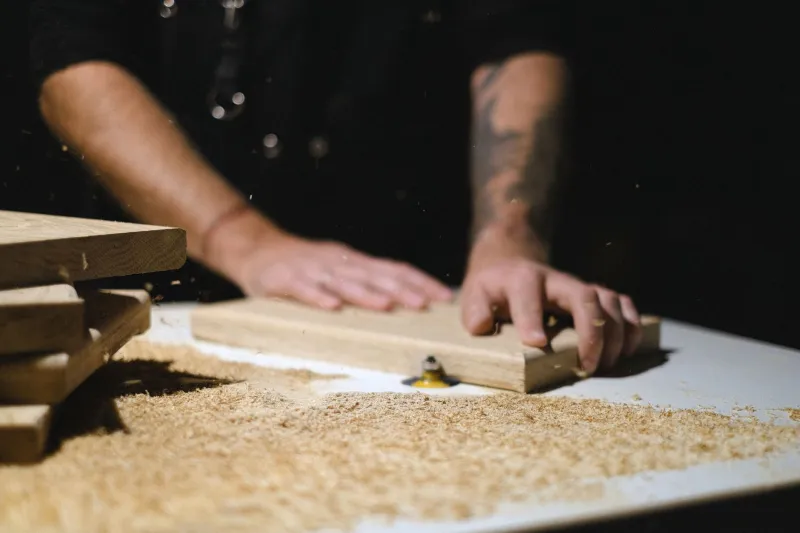
In a world engineered for speed, the rhythmic cadence of handcraft—hammer striking anvil, the breath held before a finishing cut—offers something industrial production cannot replicate: a living dialogue between maker and material. This deliberate tempo is not inefficiency; it is intelligence of a different order. Understanding it reveals why the objects born from such discipline endure far beyond their machine-made counterparts.

Where the Hand Meets the Handle: The Hidden Intelligence of Tactile Design
Craft Culture

Where the Hand Meets the Handle: The Hidden Intelligence of Tactile Design

The moment a well-made tool settles into the palm, something registers before thought does. Artisans who engineer for the hand understand that ergonomic integrity is not a feature—it is the foundation upon which all other qualities depend. This is why the relationship between grip and object remains the most honest measure of true craftsmanship.

Where the Old Ways Meet the New Edge: How Today's Craftspeople Decide What to Keep and What to Let Go
Craft Culture

Where the Old Ways Meet the New Edge: How Today's Craftspeople Decide What to Keep and What to Let Go

Every working artisan eventually faces a version of the same question: which inherited methods are worth protecting, and which are simply old habits in disguise? Across American workshops, a quiet but consequential conversation is unfolding about the nature of craft itself. The answers being reached today will shape what handmade means for the next generation.

Craft Culture

Stewardship by Inheritance: Preparing the Next Generation to Care for Handcrafted Legacies

When a handcrafted piece passes from one generation to the next, it carries with it not only beauty and memory but also a set of obligations that mass-produced objects rarely impose. Understanding how to receive, maintain, and honor an artisanal heirloom is itself a form of craft—one that families must learn deliberately. This article examines the practical and emotional dimensions of inheriting handmade work, and why the succession plan for such objects matters as much as the objects themselves

Consumer Insight

Worth the Wait: How the Made-to-Order Economy Is Redefining What Customers Truly Value

In an era defined by same-day delivery and instant digital gratification, a growing segment of American consumers is voluntarily choosing to wait—sometimes for months—for handcrafted goods made expressly for them. The wait, it turns out, is not an inconvenience to be tolerated but a signal of value to be understood. This piece examines the psychology, economics, and cultural meaning behind the slow economy of bespoke craftsmanship.

Craft Culture

Objects That Outlast Us: How Handcrafted Pieces Become the Anchors of Family Memory

A handcrafted object does not merely survive time — it accumulates meaning within it. Across generations of American families, artisan-made pieces have served as vessels for memory, identity, and continuity in ways that mass-produced goods simply cannot replicate. This article examines the psychology behind heirloom-making and the quiet power of intentional craftsmanship to bind generations together.