Voitheia Forged Shaped by Hand. Built to Endure.

Voitheia Forged

Shaped by Hand. Built to Endure.

Latest Articles

Consumer Insight

Worth the Wait: How the Made-to-Order Economy Is Redefining What Customers Truly Value

In an era defined by same-day delivery and instant digital gratification, a growing segment of American consumers is voluntarily choosing to wait—sometimes for months—for handcrafted goods made expressly for them. The wait, it turns out, is not an inconvenience to be tolerated but a signal of value to be understood. This piece examines the psychology, economics, and cultural meaning behind the slow economy of bespoke craftsmanship.

Craft Culture

Stewardship by Inheritance: Preparing the Next Generation to Care for Handcrafted Legacies

When a handcrafted piece passes from one generation to the next, it carries with it not only beauty and memory but also a set of obligations that mass-produced objects rarely impose. Understanding how to receive, maintain, and honor an artisanal heirloom is itself a form of craft—one that families must learn deliberately. This article examines the practical and emotional dimensions of inheriting handmade work, and why the succession plan for such objects matters as much as the objects themselves

Consumer Insight

Reading the Hand: What Tool Marks, Hammer Traces, and Finish Variations Tell the Knowing Eye

The marks left by hand tools are not blemishes to be corrected — they are a vocabulary. For the informed buyer, subtle irregularities in forged metal, hand-planed wood, and hand-finished leather offer a precise record of a maker's technique, experience, and aesthetic judgment. Learning to read these details is both a practical skill and a deeper appreciation of what genuine craftsmanship actually looks like.

Craft Culture

Objects That Outlast Us: How Handcrafted Pieces Become the Anchors of Family Memory

A handcrafted object does not merely survive time — it accumulates meaning within it. Across generations of American families, artisan-made pieces have served as vessels for memory, identity, and continuity in ways that mass-produced goods simply cannot replicate. This article examines the psychology behind heirloom-making and the quiet power of intentional craftsmanship to bind generations together.

Consumer Insight

The Irreducible Human: What Automation Will Never Fully Manufacture

Industrial automation has reshaped nearly every corner of modern manufacturing, yet a meaningful category of quality remains stubbornly beyond its reach. This is not a romantic argument against technology—it is a precise one, examining the specific capacities that human judgment brings to the making of objects and why discerning customers have begun to recognize, and reward, that distinction.

Craft Culture

Vanishing Hands: The Crisis Quietly Dismantling American Craft Trades

Across the United States, the pipeline of skilled artisans is narrowing at an alarming rate, as apprenticeship programs disappear and hands-on trade training gives way to screen-based education. The consequences extend far beyond nostalgia—threatening the very infrastructure that makes handcrafted production possible. Understanding how this gap formed, and who is working to close it, matters deeply for anyone who values the permanence of things made well.

What the Resale Market Reveals About the True Worth of Handcrafted Goods
Consumer Insight

What the Resale Market Reveals About the True Worth of Handcrafted Goods

When a mass-produced item sells at a garage sale for a fraction of its original price, few are surprised. When a handcrafted piece commands multiples of its retail value decades later, the market is communicating something worth understanding. The secondary market for artisanal goods offers one of the clearest, most unsentimental arguments for investing in quality craftsmanship.

The Craftsman's Blueprint: Enduring Business Lessons from the Workshop Floor
Craft Culture

The Craftsman's Blueprint: Enduring Business Lessons from the Workshop Floor

The master craftsperson and the chief executive appear to occupy entirely different worlds. One works with hands and tools; the other navigates boards, balance sheets, and organizational complexity. Yet the principles that allow a craftsperson to build objects that outlast generations bear a striking resemblance to the principles that allow a company to outlast its competitors. The workshop floor has more to teach the corner office than most executives have been willing to admit.

Consumer Insight

Sign Here: The History and Meaning Behind the Artisan's Mark

Long before barcodes and brand logos, craftspeople developed a sophisticated visual language of stamps, signatures, and hallmarks to identify their work and stand behind its quality. For today's buyers navigating a crowded marketplace of handcrafted goods, understanding maker's marks is among the most practical skills they can develop. This guide explores what those marks mean, why they matter, and how to read them.

Earned Beauty: Why the Marks of Time Make Handcrafted Objects More Valuable, Not Less
Craft Culture

Earned Beauty: Why the Marks of Time Make Handcrafted Objects More Valuable, Not Less

In a marketplace obsessed with flawless surfaces and factory-fresh finishes, handcrafted goods tell a different story — one written in scratches, oxidation, and the soft luster of repeated use. Understanding why patina represents quality rather than deterioration changes how discerning buyers relate to the objects they own. This is the philosophy of earned beauty.

Iron, Identity, and Intention: How a New Generation Is Reclaiming the Forge
Craft Culture

Iron, Identity, and Intention: How a New Generation Is Reclaiming the Forge

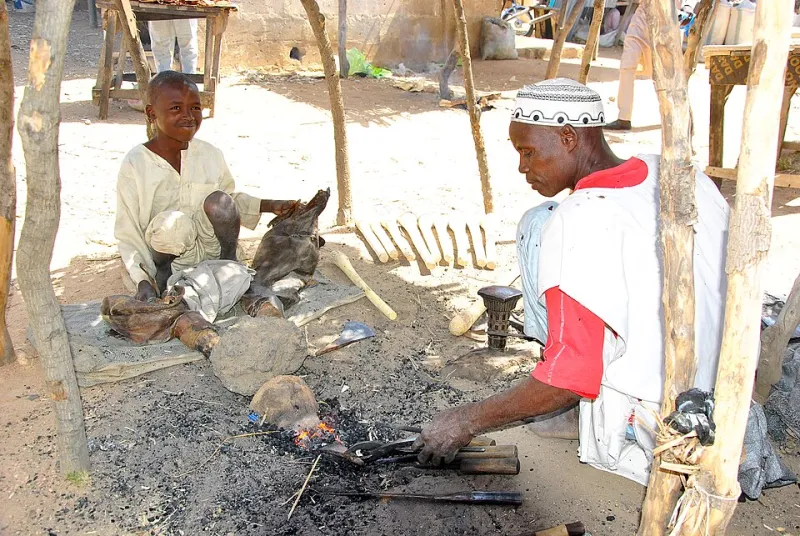
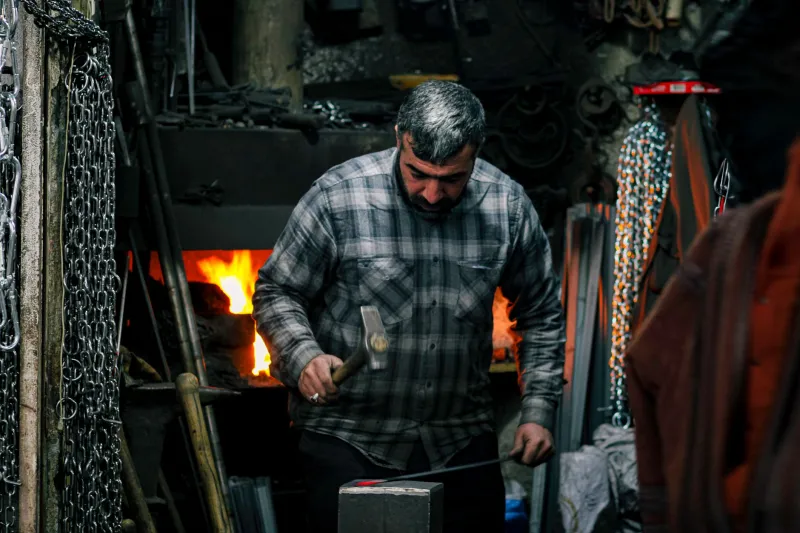
Across the United States, a quiet but powerful movement is unfolding inside workshops and fire-lit studios where younger Americans are choosing hammer and anvil over keyboard and screen. Far from a nostalgic hobby, this resurgence of blacksmithing among millennials and Gen Z reflects a deeper hunger for meaning, mastery, and material permanence in an age defined by the disposable. Voitheia Forged explores what draws a new generation to one of humanity's oldest trades.

The Arithmetic of Permanence: Why Handcrafted Goods Cost Less Than You Think
Consumer Insight

The Arithmetic of Permanence: Why Handcrafted Goods Cost Less Than You Think

The sticker price of a handcrafted, heirloom-quality product can feel prohibitive at first glance — but a rigorous look at lifecycle costs, environmental impact, and the quiet toll of disposable consumption tells a very different story. This analysis examines the true economics of buying well versus buying cheap, drawing on real consumer experiences and sustainability data to make the case that artisanal goods are not a luxury for the few but a prudent investment for the many.