Beyond the Catalog: The Quiet Rise of the Hand-Specified American Home
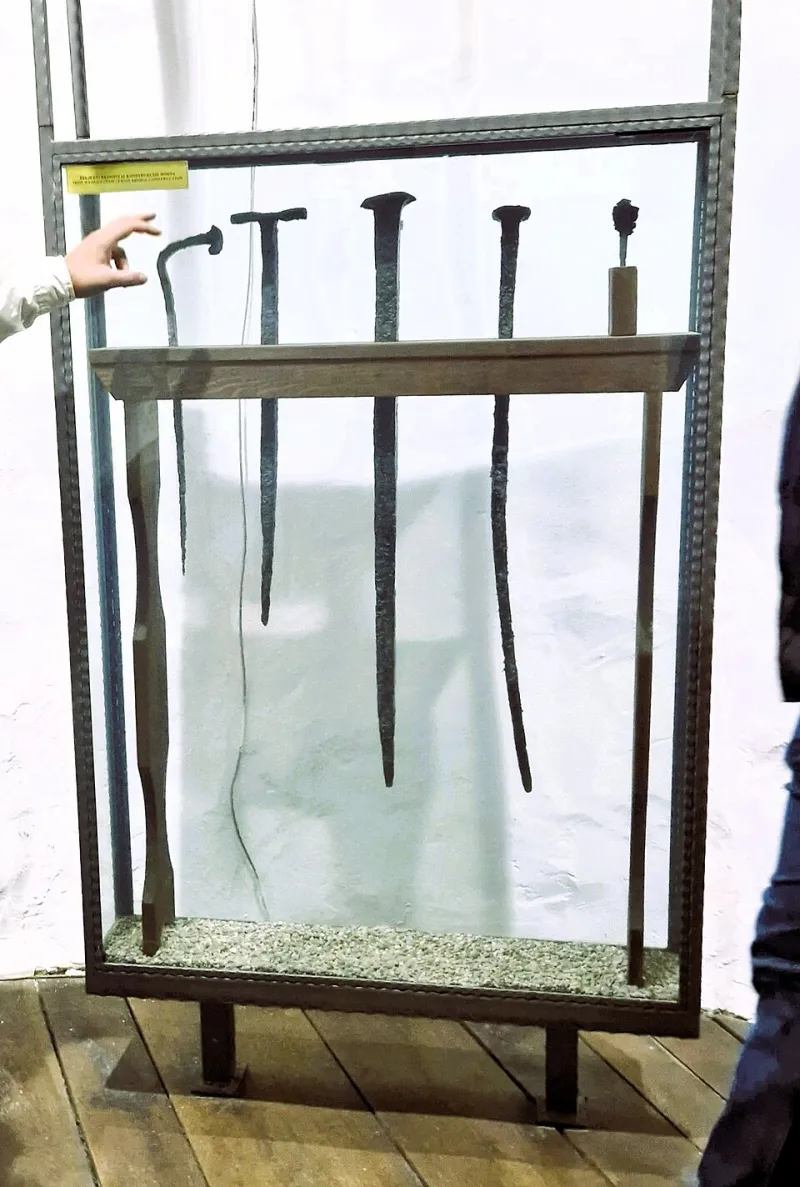
Photo: Minja Klarić, CC BY-SA 4.0, via Wikimedia Commons
Walk through enough new construction in America and you begin to notice a sameness that has nothing to do with floor plans. The doors swing on identical hinges. The cabinet pulls, the light fixtures, the fireplace surround — all of it arrives from the same handful of catalogs, interchangeable and anonymous. But in a growing number of custom builds, something different is happening. A blacksmith in Vermont is forging the strap hinges for a front door in North Carolina. A ceramicist in Oregon is throwing the pendant shades for a kitchen island in Austin.
Builders have a name for it, informal but increasingly common: the hand-specified home.
What Buyers Are Actually Asking For
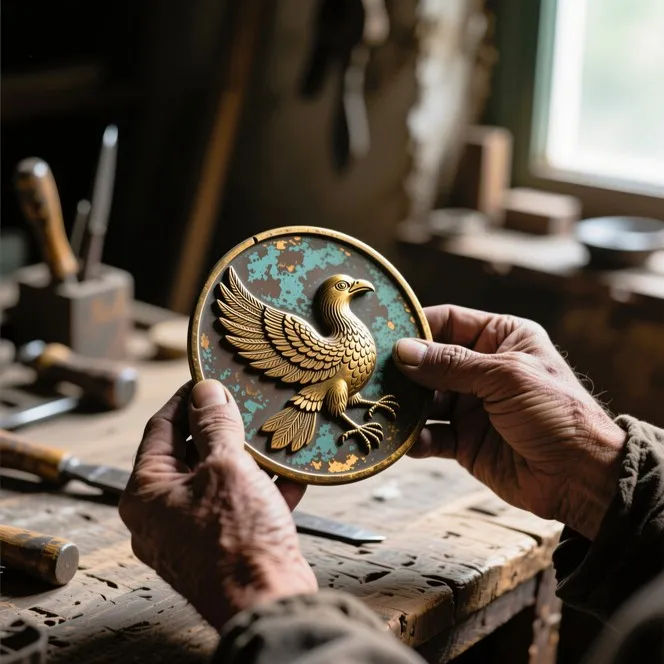
The requests tend to start small. Not a whole house of commissioned pieces — that would strain most budgets — but a single anchor element. A hand-forged mantelpiece bracket. Cabinet pulls shaped by an actual person rather than stamped by a machine in a factory of thousands. Door hardware with weight to it, the kind that closes with a sound rather than a click.
"It's rarely about filling the house," says one custom builder in the Carolinas who has worked with regional smiths and woodworkers on a dozen projects. "It's about giving the house one thing that's undeniably real. Everything else gets judged against it."
That judgment cuts both ways, and builders know it. A machine-milled faucet next to a forged towel bar can look cheap by comparison. Some clients scale back; others double down and commission more. Either way, the calculus has changed.
The Cost Question, Answered Honestly
Handmade hardware and fixtures cost more — sometimes two or three times their catalog equivalents, sometimes ten. No serious maker or builder pretends otherwise. But the comparison is less lopsided than it first appears.
A forged hinge, properly made from quality steel, will outlast the door it hangs on and likely the house's next two owners. Catalog hardware, by contrast, is frequently the first thing to fail — finishes wearing through, springs giving out, replacement parts discontinued within a decade. Over a thirty-year horizon, the arithmetic favors the handmade piece more often than buyers expect.
There is also the matter of fit. Stock parts force the design to accommodate them; commissioned parts are made to the design. A mantel bracket sized to the actual stone, a light fixture proportioned to the actual ceiling — these small acts of specificity accumulate into a house that feels resolved rather than assembled.
Durability You Can Trace
One underappreciated advantage of commissioning from an American artisan is traceability. When a homeowner buys a hinge from a big-box shelf, the maker is a corporation, the process is opaque, and recourse is a warranty claim. When the piece comes from a workshop two states away, the maker's name is on it — literally, in many cases, stamped or signed.
Makers interviewed for this piece describe the accountability this creates in almost moral terms. You do not ship a sloppy weld to someone you've spoken with on the phone, someone who visited your shop during the build. The relationship is part of the quality control.
The Anchor Effect
Perhaps the most consistent observation from both builders and buyers is what might be called the anchor effect: a single handcrafted element radiates outward through a home's entire character. A forged entry door pull sets the tone guests meet before they cross the threshold. A hand-planed mantel makes the whole living room feel considered.
Real estate agents have begun to notice too. In a market flooded with flipped houses and builder-grade finishes, a documented handmade element — a signature on the bracket, a story behind the fixture — reads as provenance, and provenance reads as value.
None of this suggests every American home should be furnished entirely by artisans. Budgets are real, timelines are real. But the hand-specified movement points at something durable: a growing number of homeowners who want at least one thing in their house that a person made, on purpose, for them. As one builder put it, "The rest of the house can be practical. Give it one soul."
For a culture accustomed to specifying everything by SKU, that may be the most radical renovation of all.