September Is the New December: The Quiet Case for Ordering Handmade Gifts Early
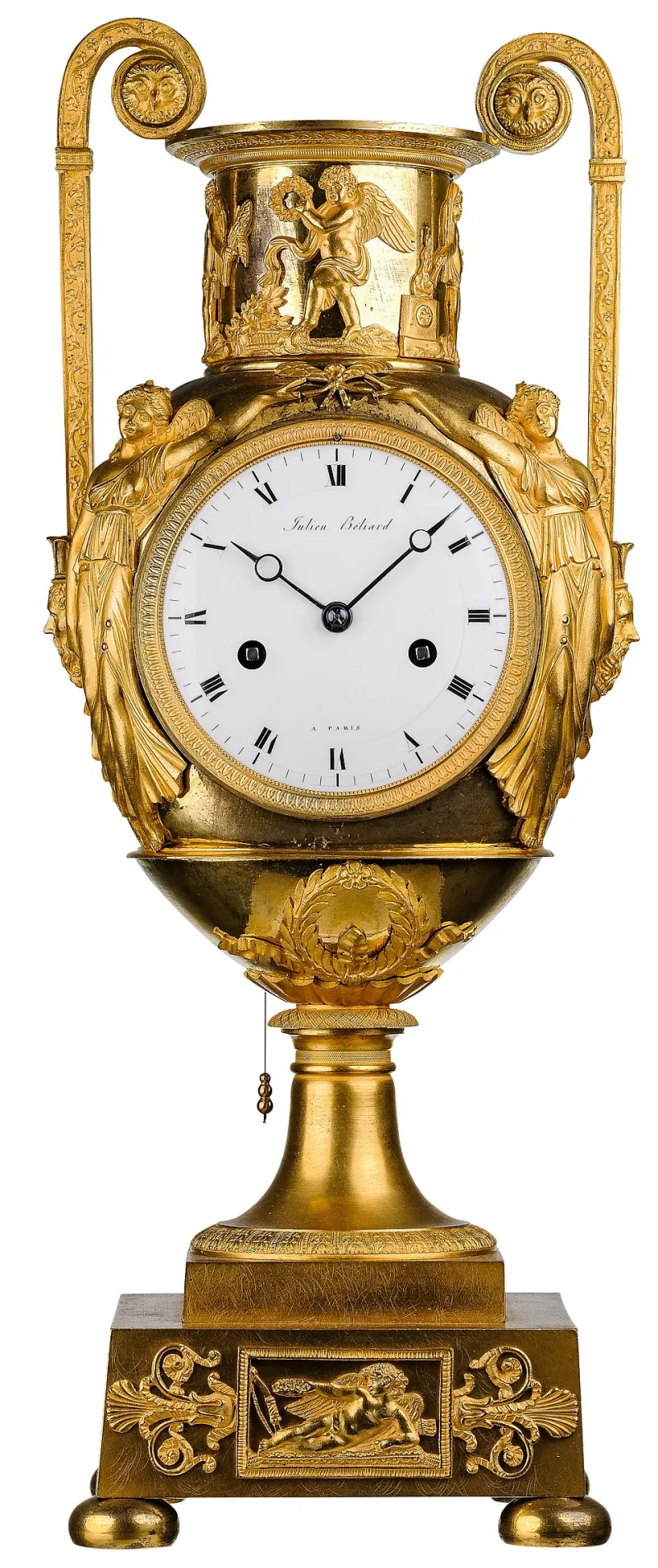
Photo: John Jason Junior, CC0, via Wikimedia Commons
Every autumn, somewhere in the small-print of an artisan's website, the same notice appears: Holiday order cutoff — October 15. And every autumn, a certain type of shopper reads it as an obstacle. Why can't they just make one more knife? One more board? Why does a mug need six weeks?
The grumble rests on a misunderstanding of what made-to-order actually is. The cutoff date is not a bureaucratic inconvenience bolted onto an otherwise frictionless process. It is the visible edge of the real process — the honest arithmetic of hours, materials, and hands. And once that arithmetic is understood, the early deadline stops looking like a flaw in the handmade economy and starts looking like its best feature.
The Calendar Tells the Truth About the Work
A mass-market supply chain hides its labor. A gift ordered on December 20 and delivered December 23 by same-day courier conceals everything that happened before it reached the truck — the factory shift, the container ship, the warehouse picker. The buyer experiences only the final, frictionless mile and is invited to believe that production itself is frictionless too.
A maker's calendar hides nothing. Six weeks of lead time is not padding; it is a schedule of actual events. The steel must be forged and ground. The leather must be cut, stitched, and burnished. The glaze must dry, and the kiln must be loaded, fired, cooled, and unloaded — and a single kiln firing takes days. When a maker asks for your order in September, they are not being precious. They are being accurate.
Planning Ahead Is Not a Chore; It Is the Gift
Consider what the two gift-giving modes actually feel like from the inside. The December scramble: crowded stores, decision fatigue, a purchase made in twenty minutes to satisfy an obligation. The September order: a quiet hour spent browsing a maker's work, a note written about the recipient's preferences — left-handed, perhaps, or fond of walnut — and then weeks of pleasant anticipation.
The difference is not merely logistical. It is moral, in a small and real way. A gift chosen in haste reflects the haste. A gift commissioned with thought carries that thought in it — in the choice of steel or clay or leather, in the handwritten note to the maker, in the patience of the wait. The recipient may never know when the order was placed. But the giver knows, and the quality of the attention survives in the object.
What Early Buyers Actually Get
Beyond the ethical satisfaction, ordering early with a maker carries practical advantages that last-minute shoppers forfeit entirely:
- A place in the queue. Makers work in order of commission. Early orders get early slots; late orders get January.
- Room for customization. Monograms, custom lengths, chosen woods, specific glazes — these require lead time and conversation. A December order gets whatever is on the shelf.
- A dialogue with the maker. Commissioning early leaves time for questions, sketches, and adjustments. The gift becomes a collaboration rather than a transaction.
- Delivery that arrives early, not late. Makers who hit their cutoff dates almost always deliver on time, because their whole schedule depends on it.
A Different Relationship With the Season
There is a broader argument here, one that goes to the heart of what the holiday gift is supposed to be. The American retail calendar has trained us to think of December as the season of buying and November as the season of deals. But for most of history, and still today in the craft economy, the making precedes the giving by months. Advent was a season of preparation, not purchase.
Ordering a handmade gift in September restores that older rhythm. It separates the two acts that December collapses into one — the deliberation and the giving — and gives each its proper time. The deliberation happens in the golden light of early autumn, unhurried. The giving happens in December, complete, wrapped, and waited for.
So take the cutoff date at face value, and then take it seriously. Mark the calendar now. Write to the maker this month, not next. The deadline is not the enemy of the season. It may be the most honest thing about it.