One Good Knife: The Uncomfortable Arithmetic of Buying Less and Keeping Longer
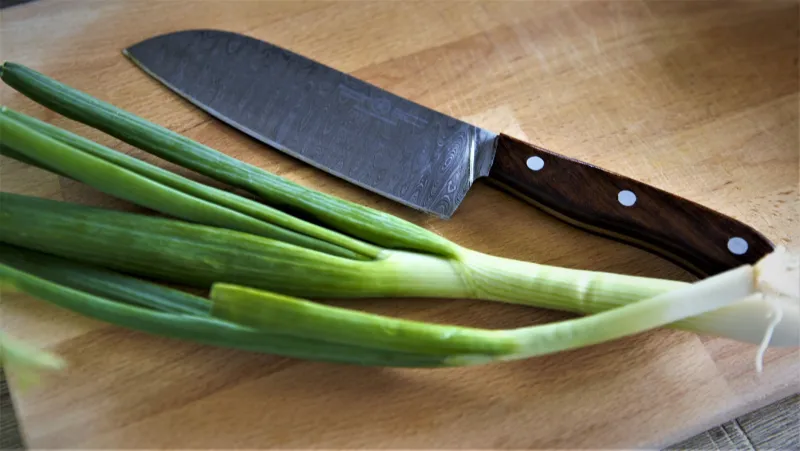
Somewhere in an American kitchen there is a drawer of dull, interchangeable knives — twelve dollars each, replaced every two years, none of them ever quite right. And somewhere else there is a single knife, forged by a maker in Michigan or Arkansas, that has been sharpened a hundred times and will be sharpened a hundred more.
The second knife cost more than the entire drawer. It is also, by any honest accounting, the cheaper object. This is the argument that rising numbers of American consumers are quietly working out for themselves, and it deserves to be made explicitly.
Running the Real Numbers
Cost per year of use is the metric that disposability hides. A $15 import that lasts three years costs $5 per year — and then repeats forever, since it cannot be meaningfully repaired or resold. A $250 handcrafted knife that lasts thirty years costs roughly $8 per year, and that figure drops with every resharpening that extends its life. Add the resale value of a quality piece — which is real, because well-made objects have functioning secondary markets — and the gap widens further.
The disposable option also bills you in less visible currencies: the time spent re-buying, the frustration of tools that never quite perform, the waste streamed into landfills. Americans discard millions of tons of durable goods annually, most of it designed never to be repaired. The cheap drawer is not a bargain. It is a subscription to dissatisfaction.
Repairability Is the Whole Ballgame
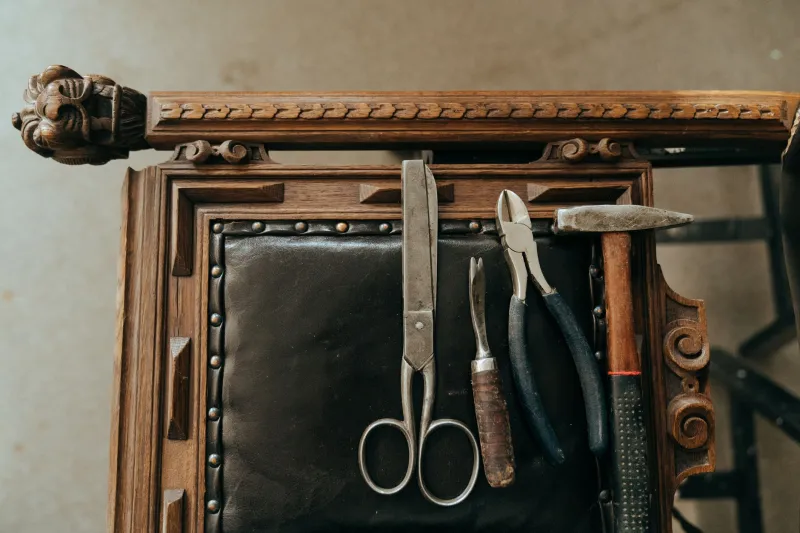
The decisive difference between a crafted object and a manufactured one is not aesthetics — it is whether anyone can fix it. A handcrafted piece comes from a person who knows exactly how it was made and can therefore restore it. Many American makers offer repair or refurbishment for the life of the piece, a service no mass importer can economically provide.
This changes the ownership experience at a fundamental level. The mass-produced object degrades toward the trash; the crafted object cycles through use, wear, and renewal. One trajectory ends. The other compounds.
What the Money Actually Does
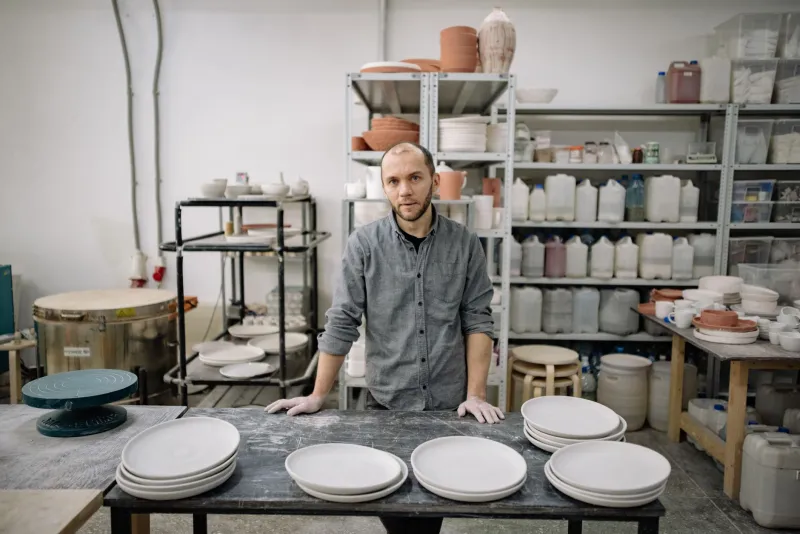
There is also the question of where the money goes. A purchase from an American craft workshop recirculates through a local economy — the maker's household, their material suppliers, the regional suppliers those suppliers depend on. A purchase from a fast-goods supply chain exits the country almost immediately and returns as nothing but the object itself, already halfway to the landfill.
Regional craft economies are not sentimental placeholders. They are small manufacturing ecosystems — forges, tanneries, sawmills, studios — that train skills, hold knowledge, and anchor communities. Every purchase is a vote on whether those ecosystems continue to exist.
The Honest Objection
The fair counterargument is affordability: not everyone can spend $250 on a knife. True — and the answer is not to buy the expensive thing on credit, but to buy the good thing eventually instead of the cheap thing repeatedly. Save, wait, purchase once. Fewer, better things is not a lifestyle slogan for the affluent. It is a discipline that, over a decade, costs less than its alternative while leaving you with objects worth keeping.
The Case, Stated Plainly
Buy one good thing instead of twelve forgettable ones. Buy it from a person whose name you know. Maintain it, repair it, and one day hand it on. The arithmetic favors it, the environment favors it, and the regional economies that make American craft possible will still be there because of it.
The drawer of dull knives is a habit. One good knife is a decision. Make the decision.