The Registry That Outlasts the Wedding: How Couples Are Choosing Handmade Heirlooms

Photo: Wolfmann, CC BY-SA 4.0, via Wikimedia Commons
The wedding registry has long been a proxy for the American home: a stand mixer, a set of towels, a vacuum cleaner, a list of things a couple is expected to need. In 2026, a quieter alternative is taking hold among couples who can afford to plan beyond the first apartment. They are registering for fewer things, made by hand, and chosen with the same care as a mortgage or a name.
The objects vary: a serving board cut from a single plank, a pewter pitcher, linen sheets, a dining table commissioned from a workshop within driving distance. What unites them is not nostalgia. It is a calculation about longevity, and a willingness to turn a wedding list into a small act of patronage.
From Blender to Board
Wedding registries have always mixed practical need with aspiration. The difference now is that a segment of American couples is asking what happens after the wedding. A big-box registry solves the immediate problem of equipping a kitchen. A handmade registry solves a longer problem: what will still be in use in twenty years, and who made it.
Couples describe the shift in practical terms. They have smaller homes, less appetite for clutter, and more awareness of how quickly mass-market goods cycle through a kitchen. A commissioned board or a hand-thrown set of dishes is not cheaper. It is easier to justify when the alternative is replacing the same item twice.
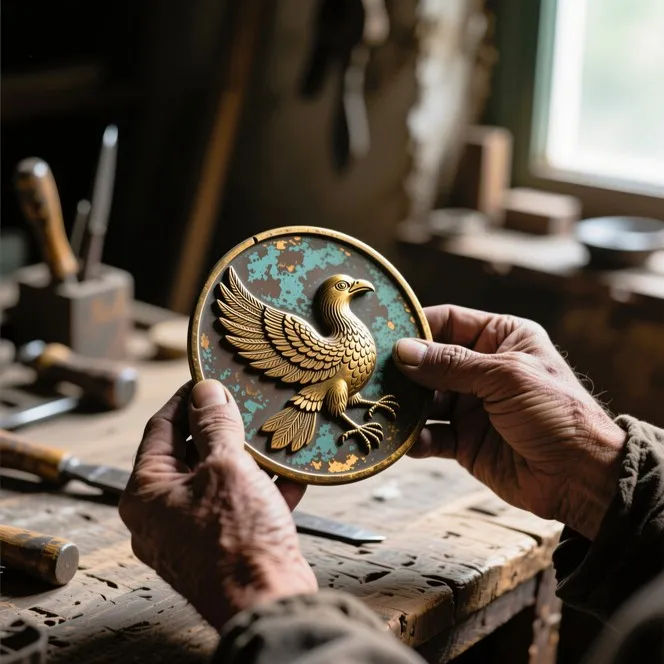
Makers see the change in their order books. A woodworker who once sold at regional craft fairs now takes wedding commissions months in advance. A pewterer fields requests for a single pitcher with a couple’s initials, not a full set. A linen studio sells sheets in a limited palette because the mill run is small and the sewing is done to order.
The Lead Time Is Part of the Gift
Lead times are where handmade registries succeed or fail. Custom furniture commonly runs twelve to twenty weeks; pewter and metalwork six to ten; linens four to eight; serving boards three to six. These are ranges, not promises, and they move with workshop capacity.
Couples who plan well treat lead time as part of the gift. They start six to nine months before the wedding, list only objects the maker can realistically finish, and tell guests that a contribution toward a commission is welcome. A registry that promises a table in three weeks is not a registry. It is a catalog with a countdown.
Deposit Etiquette for Couples and Guests
Deposits are the most misunderstood part of the handmade registry. A deposit is not a reservation fee. It pays for materials, holds workshop time, and compensates the maker for turning down other work. Terms vary; a deposit of one-third to one-half is common for custom furniture, while smaller goods may require full payment at order.
Couples should ask four questions before listing a piece: What does the deposit cover? When is the balance due? What happens if the wedding date changes? What is the cancellation policy? Guests should be told whether their contribution goes toward a deposit, a balance, or a studio credit. Ambiguity here is not romantic. It is a future dispute.
A Checklist for a Handmade Registry
- Choose one or two makers, not a marketplace.
- List objects by use and dimension, not just style.
- Confirm lead time and delivery date in writing.
- Ask whether group contributions are possible.
- State the deposit and refund terms plainly.
- Include care instructions and any finish exclusions.
- Cap the list; a registry is not a wish list.
- Tell guests why the object matters.
Most important: do not turn a handmade registry into a catalog. A catalog is organized around options. A registry organized around makers is organized around relationships. The couple is not asking guests to buy a product from a shelf; they are asking them to support a person’s work and, by extension, the couple’s own household.
Patronage, Not Consumerism
The word patronage can sound aristocratic. In practice, it is plain. A couple who registers for a commissioned table is making a multi-year commitment to a workshop. Guests who contribute are not buying a gift so much as joining a small fund. The maker gains a client who expects the piece to last. The couple gains an object with a history that begins before the wedding.
This is not a rejection of practical gifts. It is a shift in what counts as practical. A handmade registry will not suit every budget or every family. But for couples who can plan, it offers something a big-box list cannot: a home that starts with fewer things and a clearer sense of who made them.