From Quarry to Bench: Six American Materials That Carry Their Origins Into the Finished Piece

Photo: CT Snow from Hsinchu, Taiwan, CC BY 2.0, via Wikimedia Commons
Provenance is often sold as a label: a tag, a certificate, a line on a website. For a maker, provenance is more practical. It is the knowledge of how a material was formed, cut, dried, tanned, or fired—and what that history means at the bench. The following six materials are not a ranking. They are a field guide to American sources that reward a maker’s attention, and to the questions a buyer can ask without demanding a supply-chain audit.
Stone: The Quarry Sets the Grain
American stone comes from many beds: Vermont slate, Pennsylvania soapstone, Indiana limestone, granite from New England and the Upper Midwest. A maker who knows the quarry can read the block before the first cut. Slate splits along bedding planes; soapstone has a softness that suits carved sinks and countertops; limestone carries fossils and porosity that affect finish. When the quarry is a name rather than a commodity, the maker can choose a block for grain, color, and flaw, and can tell the client why the finished piece has a particular edge, thickness, or patina.
Clay: The Ground Writes the Glaze
American clay bodies are not neutral. A stoneware clay from the Carolinas carries iron and grit; an Ohio clay may fire to a different color; a porcelain body demands different handling. The maker who knows the supplier—and, ideally, the mine or blending floor—can adjust firing curves and glaze recipes instead of fighting the material. In the finished piece, that knowledge shows up as a glaze that fits, a rim that does not crack, and a color that belongs to the clay rather than sitting on top of it.
Hardwood: The Mill Reads the Board
Hardwood is often sold by species and grade, but a mill knows more: how the log was sawn, how the boards were dried, how long they rested. Appalachian hardwood, Pacific Northwest maple, and Midwestern walnut each behave differently. A maker who knows the mill can ask for quarter-sawn stock, air-dried boards, or a particular moisture content. The result is a table or cabinet that moves less, finishes more evenly, and reveals grain the sawyer predicted rather than the sander discovered.
Wool: The Fleece Remembers the Pasture
American wool travels from ranch to small mill to workshop. The breed matters—fine wool for garments, coarser fleece for rugs and upholstery—and so does the mill’s washing and carding. A maker who knows the source can choose a yarn for staple length, lanolin, and spin. In a finished blanket or upholstered seat, that knowledge becomes hand, durability, and a color that comes from the fleece rather than a dye vat alone.
Brass: The Foundry Holds the Recipe
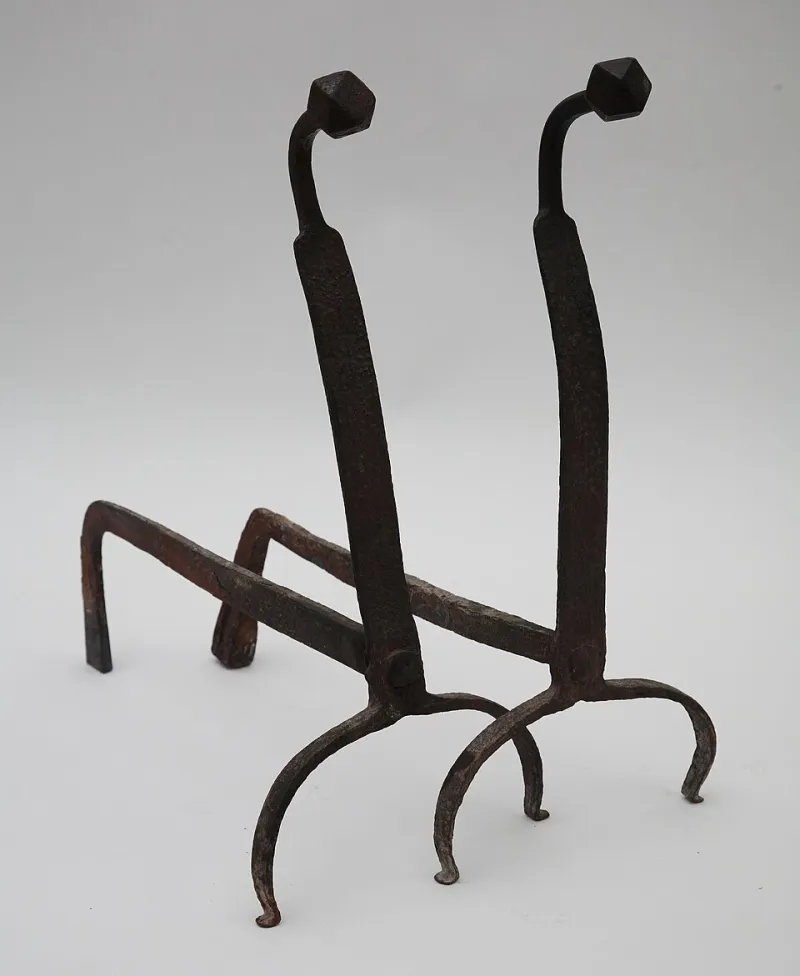
Brass and bronze are alloys, and alloys are recipes. An American foundry that pours architectural hardware or sculpture knows its melt. A maker who knows the foundry can anticipate how the metal will machine, patinate, and wear. Silicon bronze, yellow brass, and white bronze each finish differently. The finished piece carries the foundry’s consistency: a hinge that does not gall, a pull that patinas evenly, a surface that ages without surprise.
Leather: The Tannery Sets the Hand
Leather is not a single material. A vegetable-tanned hide from a small American tannery has a different temper, smell, and aging path than a chrome-tanned hide from an industrial supplier. A maker who knows the tannery can select for thickness, grain, and dye lot, and can plan the cut around the hide’s natural markings. In a bag, belt, or chair, that knowledge shows as an edge that burnishes cleanly, a strap that softens rather than cracks, and a surface that records use.
A Field Guide to Asking Without Auditing
Buyers who want provenance often make one of two mistakes: they accept a vague story, or they demand a dossier. The useful middle ground is a short set of questions asked in conversation.
- Where did the material originate, and who processed it?
- What did you choose about this batch, and why?
- How does this material behave differently from the alternative you rejected?
- What should I expect as it ages?
- Can you show me a sample or an offcut?
These questions are not a compliance checklist. They are a way to learn whether the maker has a relationship with the source or merely a supplier.
Provenance as Practical Knowledge
Knowing the quarry, mill, or tannery does not make a piece automatically better. It makes the maker’s decisions legible. A stone’s bedding, a clay’s iron, a board’s drying history, a fleece’s staple, an alloy’s recipe, a hide’s tannage—these are not marketing details. They are the constraints and opportunities that shape the work. When a buyer asks about them, the conversation moves from style to substance. That is where craft begins.